

Nymphaea Maroon Pink | Hardy Water Lily
Product details
| Management number | 234733981 | Release Date | 2026/07/02 | List Price | US$8.40 | Model Number | 234733981 | ||
|---|---|---|---|---|---|---|---|---|---|
| Category | |||||||||
🌸 Nymphaea Maroon Pink – Hardy Water Lily with Rich Maroon-Pink Blooms
Nymphaea Maroon Pink is a striking hardy water lily variety that boasts deep maroon-pink petals and a bold, elegant structure. Its full, star-shaped flowers rise above round, leathery green pads, creating a dramatic contrast that enhances the beauty of any pond or water garden. Known for its reliable blooming and cold-hardiness, this variety is an ideal choice for both novice and experienced pond keepers.
Blooming prolifically from late spring through early fall, Nymphaea Maroon Pink brings vivid color and life to outdoor water features. Its flowers open during the day and close in the evening, providing a dynamic, ever-changing display. This lily not only adds aesthetic appeal but also offers shade and shelter for fish and wildlife, contributing to a healthier aquatic environment.
✨ Key Features:
-
Scientific Name: Nymphaea 'Maroon Pink'
-
Common Name: Maroon Pink Hardy Water Lily
-
Bloom Color: Deep maroon-pink with layered petals
-
Bloom Size: 4–6 inches across
-
Leaf Color: Green
-
Light Requirement: Full sun for best flowering
-
Hardiness Zone: USDA Zones 4–11
-
Growth Habit: Free-flowering with surface-spanning pads
-
Fragrance: Mildly fragrant blooms
🌱 Ideal For:
-
Outdoor ponds, koi ponds, and water gardens
-
Medium to large containers and tubs
-
Natural wildlife habitats and aquatic landscaping
-
Aquatic hobbyists seeking cold-hardy and colorful lilies
🔁 Planting & Care:
-
Planting Depth: 6–24 inches (from crown to water surface)
-
Planting Medium: Heavy clay loam or aquatic plant soil in a wide container
-
Fertilization: Monthly during growing season for abundant blooms
-
Winter Care: Overwinters in pond bottoms in zones 4–11 without removal
📦 What You’ll Receive:
-
Sold as one live tuber with a new young leaf to ensure viability and active growth.
-
Carefully packaged to preserve freshness and viability
⚠️ Disclaimer:
All water lilies are shipped bare-root (as tubers) and should be planted immediately upon arrival for best results. Bloom and leaf color, size, and shape may vary slightly depending on lighting, water quality, and plant maturity.
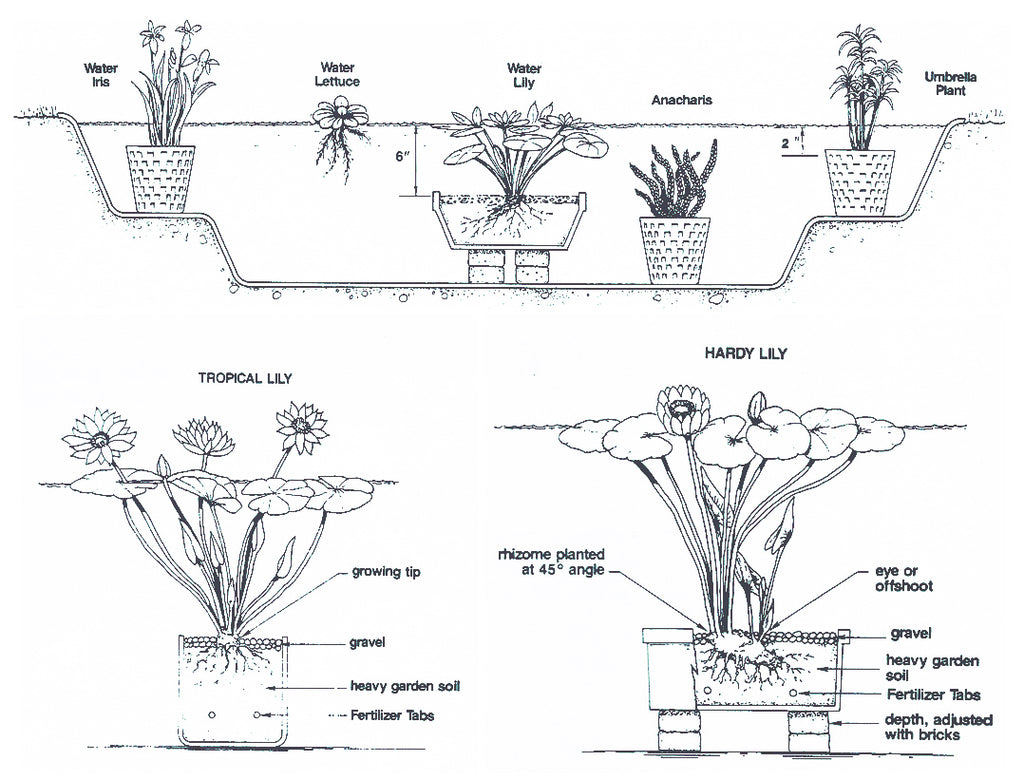
🌿 Planting & Care Guide for Water Garden Plants
Create a thriving, beautiful pond environment by following these easy planting and care steps. For best results, we recommend planting your water lilies in containers rather than directly in the pond bed. This allows for easier maintenance, relocation, and seasonal care.
All water lilies thrive with 8–10 hours of direct sunlight daily and benefit from regular fertilization throughout the growing season.
🌸 Tropical Water Lilies (Day & Night Blooming)
Tropical water lilies are vibrant and rewarding bloomers that thrive in warm water.
-
Container Size: Use a pot 12 inches or larger (3–5 gallons recommended).
-
Soil: Fill halfway with rich garden soil. Add 2–4 fertilizer tablets, then top off with more soil—leaving about 2 inches of space from the rim.
-
Planting: Place the rhizome upright, gently covering the roots while keeping the growing tip above the soil.
-
Top Layer: Add 1–2 inches of pea gravel or sand to prevent soil from floating. Keep gravel away from the crown.
-
Water Depth: Submerge the pot to about 12 inches.
-
Temperature: Wait until the water reaches 70°F (21°C) before planting to prevent dormancy.
-
Blooming Season: Late spring through early fall.
🪷 Tip: A larger pot will encourage stronger growth and more abundant blooms.
❄️ Hardy Water Lilies
Hardy lilies grow horizontally and return each year with proper care.
-
Container Size: Use a wide, shallow container to accommodate horizontal rhizome growth.
-
Planting: Position the rhizome at a 45° angle, near the edge of the pot, with the crown exposed.
-
Soil & Fertilizer: Use nutrient-rich soil and 2–4 fertilizer tablets. Cover the top with 1–2 inches of pea gravel or sand.
-
Water Depth: Begin with 6 inches of water above the soil and gradually lower to 12–18 inches as the plant matures.
-
Planting Season: Early spring.
-
Blooming Season: June through September.
-
Dormancy: Becomes dormant in winter and regrows in spring.
🌞 Quick Care Tips:
-
Use heavy garden soil, not potting mix.
-
Avoid burying the crown of lilies.
-
Fertilize every 3–4 weeks during active growth.
-
Regularly remove yellowing leaves and spent blooms.


Bestseller ranking
Aquarium & Aquatic Life


Customers who viewed this product also viewed
Ergonomic Supports

Correction of product information
If you notice any omissions or errors in the product information on this page, please use the correction request form below.
Correction Request Form